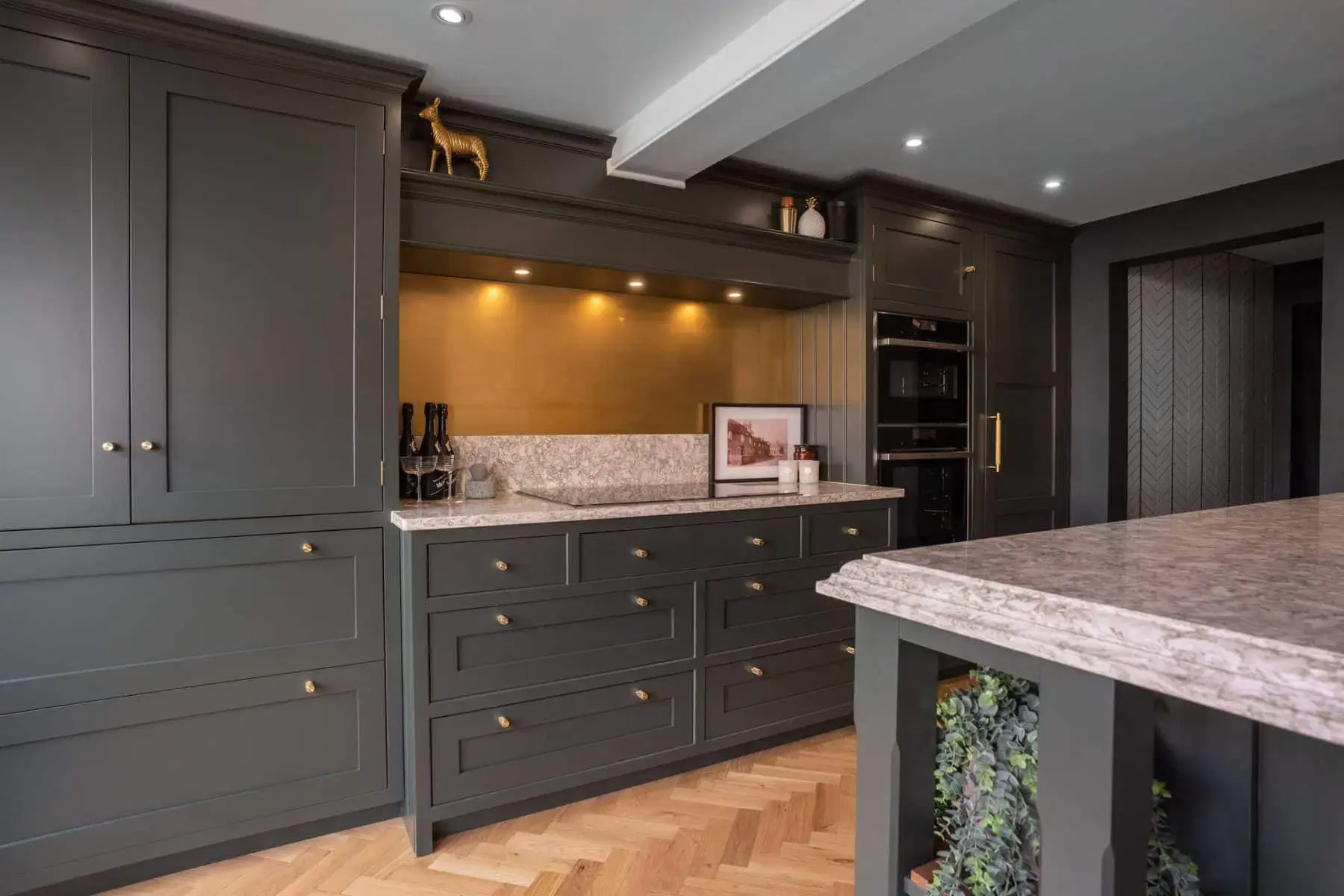
Why Choose Sustainable Kitchen Design?
Sustainable kitchen design reduces environmental impact while creating a healthier home. By choosing responsibly sourced materials, energy-efficient appliances, and durable designs, you create a kitchen that's better for the planet and built to last.
Sustainable Materials
The materials you choose significantly impact your kitchen's environmental footprint:
Cabinetry
- FSC-certified wood: Ensures timber comes from responsibly managed forests
- Recycled materials: Some manufacturers use recycled content in cabinetry
- Low-VOC finishes: Reduce harmful emissions and improve indoor air quality
- Durability: Quality cabinets last decades, reducing waste from replacements
Worktops
Consider the environmental impact of worktop materials:
- Natural stone: Durable and long-lasting, but extraction has environmental impact
- Quartz: Contains recycled materials and is very durable
- Recycled materials: Some worktops use recycled glass or other materials
- Local sourcing: Choosing locally sourced materials reduces transport emissions
Energy-Efficient Appliances
Modern appliances are significantly more energy-efficient than older models:
- Energy ratings: Look for A+++ rated appliances for maximum efficiency
- Induction hobs: More energy-efficient than gas or traditional electric
- LED lighting: Use far less energy than traditional bulbs
- Smart appliances: Can optimise energy use and reduce waste
See our appliance partners for energy-efficient options.
Designing for Longevity
The most sustainable kitchen is one that lasts. Designing for longevity means:
- Choosing timeless styles that won't date quickly
- Investing in quality materials and craftsmanship
- Designing flexible layouts that adapt to changing needs
- Ensuring easy maintenance and repair
Waste Reduction
Consider how your kitchen design reduces waste:
- Recycling storage: Built-in recycling and composting solutions
- Food waste: Composting systems and food waste disposers
- Packaging: Consider how you'll store bulk items to reduce packaging waste
Water Efficiency
Kitchens use significant water. Consider:
- Water-efficient dishwashers (use less water than hand-washing)
- Tap aerators to reduce water flow
- Instant boiling water taps to avoid boiling full kettles
- Efficient plumbing design
Creating Your Sustainable Kitchen
Sustainable kitchen design balances environmental considerations with functionality and style. Work with our designers to create a kitchen that's beautiful, functional, and environmentally conscious. We can help you choose sustainable materials, energy-efficient appliances, and design solutions that reduce your environmental impact without compromising on quality or style.